
Free Quote
Industrial fans play a critical role in ventilation, cooling, material handling, and process efficiency across many industries. Understanding the typical lifespan of an industrial fan helps businesses plan maintenance, avoid unplanned downtime, and maximise return on investment. While there is no single lifespan that applies to every fan, several key factors determine how long an industrial fan will operate reliably.
In general, a well-designed and properly maintained industrial fan can last between 8 and 15 years, with some systems operating even longer under optimal conditions.
Typical lifespan ranges include:
These figures can vary significantly depending on usage, environment, and maintenance practices.
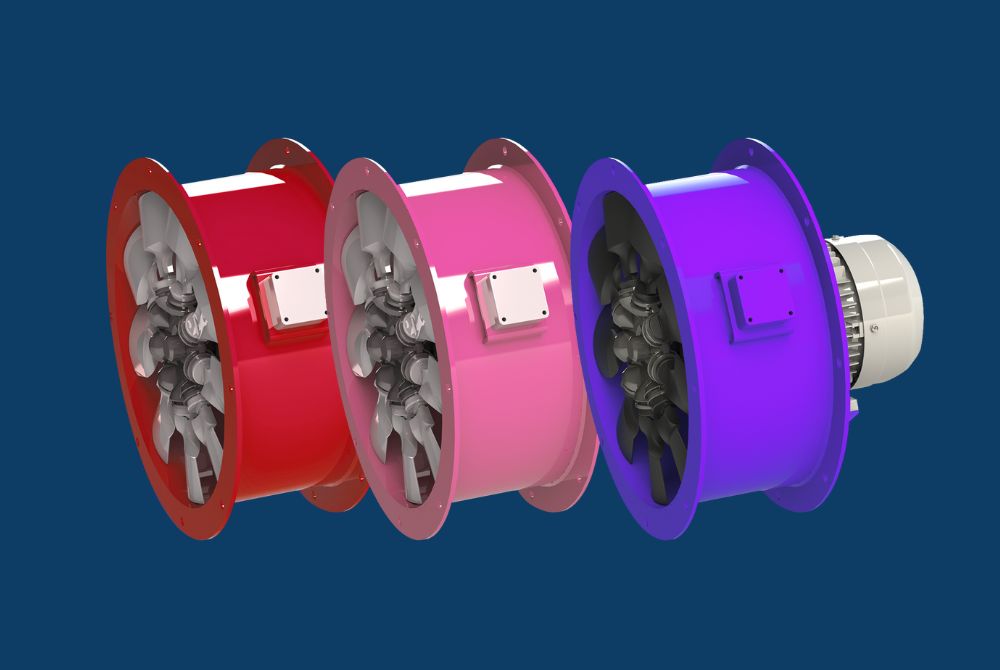
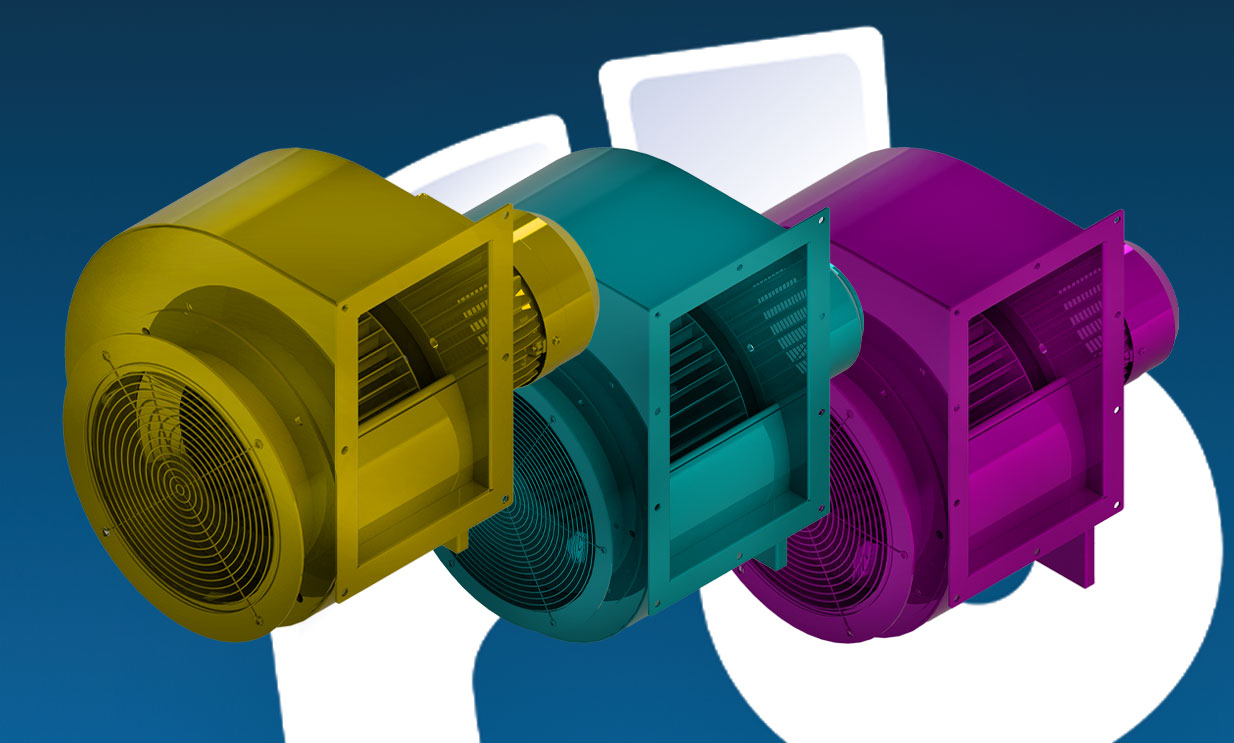
The design of the fan plays a major role in longevity. Centrifugal fans are often more robust and better suited to handling dust, high pressures, and harsh industrial environments, while axial fans are commonly used for high-volume, low-pressure applications.
Industrial fans operating in demanding conditions—such as high temperatures, corrosive atmospheres, dust-laden air, or moisture—are subject to increased wear. Without proper protection and maintenance, these environments can significantly reduce fan life.
Regular maintenance is one of the most important factors in extending fan lifespan. Routine inspections, lubrication, belt checks, bearing replacements, and vibration monitoring help identify issues early and prevent costly failures.
Preventative maintenance can extend an industrial fan’s lifespan by 20–30% or more.
Incorrect installation or poorly sized fans often operate under unnecessary strain. Fans that are oversized, undersized, or improperly aligned can experience premature motor, bearing, or impeller failure.
Fans operating continuously at full load will naturally wear faster than those running intermittently or under partial load. Variable speed drives (VSDs) can help reduce stress and improve overall longevity.
Common indicators include:
Addressing these signs early can help determine whether repair, refurbishment, or replacement is the most cost-effective solution.
To maximise fan life and performance:
The lifespan of an industrial fan depends on its design, operating conditions, and—most importantly—how well it is maintained. While most industrial fans last between 8 and 15 years, proper servicing and correct application can significantly extend operational life, reduce downtime, and improve efficiency.
If you’re unsure about the condition or remaining lifespan of your industrial fan, professional inspection and maintenance can help you plan ahead and protect your investment.
Our Range